Horse & Rider
Sunburn in horses: a practical guide to horse sun protection
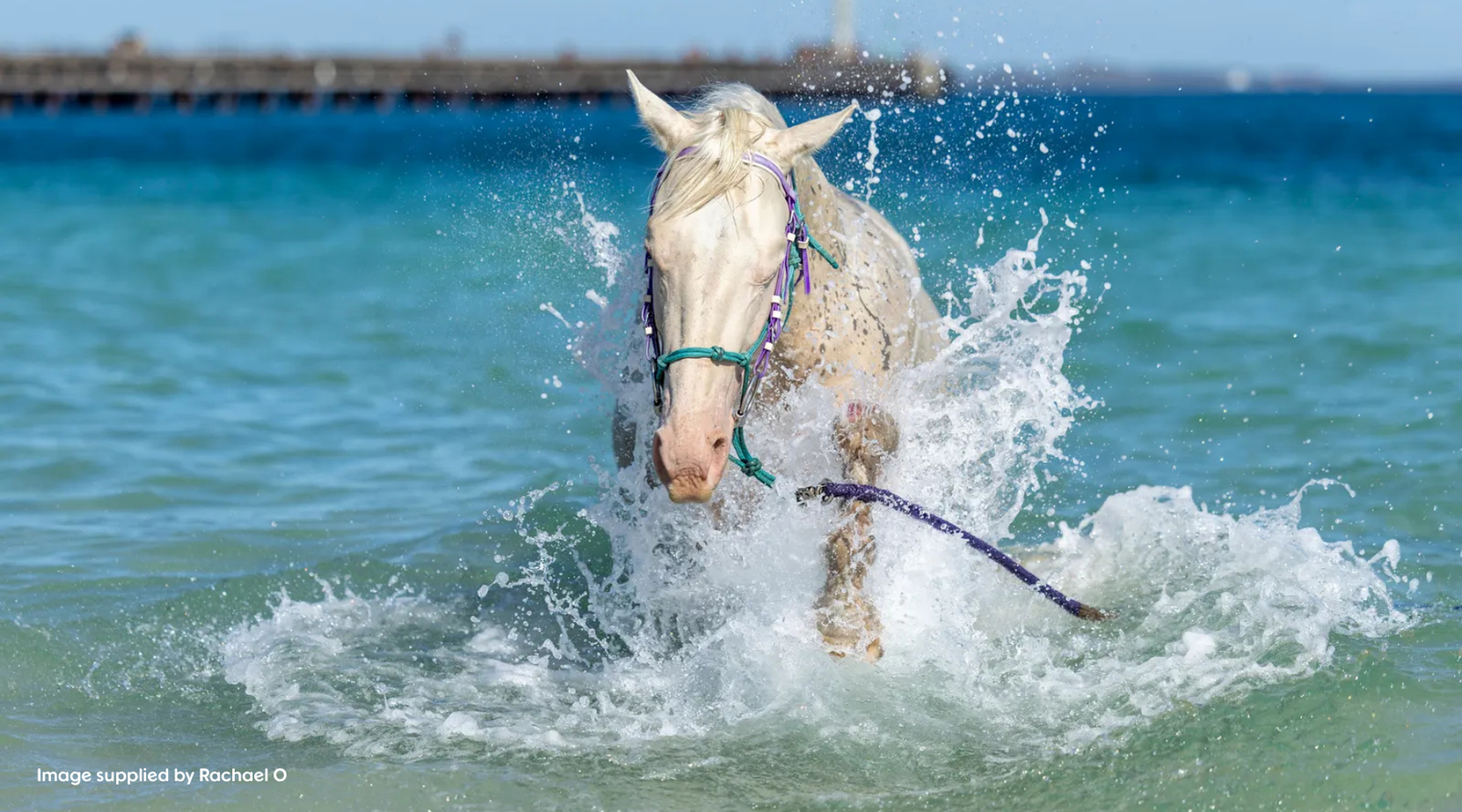

Horse sunburn can be painful and persistent, particularly for horses with pink skin, white facial markings or areas with very little hair. Good horse sun protection can involve a combination of shade, protective masks or nose covers, sunblock for horses or a suitable horse sunscreen, plus oral support such as Sol Plus Equine for horses that are particularly prone to sunburn.
Good sun management is rarely about relying on one solution. Knowing which horses are most at risk, reducing exposure when UV is strongest and checking vulnerable skin regularly can all help prevent minor irritation becoming a bigger problem.
Key Highlights
- Horse sunburn is caused by exposure to ultraviolet (UV) radiation and most commonly affects pink, unpigmented or lightly haired skin.
- The muzzle, nose, lips, around the eyes and white facial markings are common areas for sun damage.
- Effective horse sun protection can include shade, changing turnout times, UV-blocking masks or nose covers, and horse sunscreen or sunblock for horses applied to exposed skin.
- Sol Plus Equine is an oral remedy formulated to support horses that are prone to sunburn and can be used as part of a wider sun-management routine.
- If you're looking for topical sunscreen for your horse's nose or muzzle, choose a horse sunscreen or sunblock suitable for the area and remember that it may need regular reapplication.
- Horses that are repeatedly or unusually badly affected by sunlight may be experiencing photosensitivity rather than straightforward sunburn.
Can horses get sunburn?
Yes. Just like people, horses can get sunburn when their skin is exposed to enough ultraviolet radiation.
The most vulnerable areas tend to be those where the skin has little natural pigment or isn't well covered by hair. That's why sunburn is particularly common on pink noses, broad white blazes and other white markings where the skin underneath is pink.
In New Zealand, UV levels rise sharply through spring and summer, with summer UV Index values commonly reaching extreme levels. In Australia, UV exposure varies by location and can remain high year-round in some regions. Check your local UV forecast when planning turnout and sun-management measures.
NZ: NIWA / Earth Sciences NZ UV Index page
Australia: Bureau of Meteorology UVIndex page
For horses known to burn every year, it makes sense to have a broader sun-management routine in place before summer arrives rather than waiting until damage is already visible.
Which horses are most at risk of sunburn?
A horse with unpigmented pink skin has less natural protection against UV than one with dark, pigmented skin. Horses that may need extra sun management include those with:
- pink noses or muzzles
- broad white facial markings
- pink skin around the eyes or lips
- white markings with unpigmented skin underneath
- sparsely haired or exposed areas of skin
- a history of recurring summer sunburn
It's worth identifying these vulnerable areas before summer starts so that you know where to concentrate your sun protection.
What does horse sunburn look like?
Early sunburn may appear as mild redness or irritation. Depending on the severity and length of exposure, affected skin can become:
- red or inflamed
- sensitive or painful
- dry, cracked or flaky and peeling
- crusty or scabby
The horse may also rub or object to having the area touched if it is uncomfortable.
Reducing further sun exposure as soon as you notice irritation gives damaged skin a chance to recover and helps prevent the problem worsening.
If skin is severely swollen, blistered, weeping, ulcerated or unusually painful, contact your vet. A severe or recurring reaction to sunlight can indicate something other than ordinary sunburn.
Horse sun protection: sunscreen, sunblock, shade and other options
There isn't necessarily one perfect solution for every horse. For horses that burn easily, the most practical approach is often to combine several forms of sun management.
That might mean reducing sun exposure, physically covering vulnerable areas, using a topical horse sunscreen and, for horses that are predictably prone to sunburn, adding an oral support remedy such as Sol Plus Equine.
Comparison of horse sun protection options, including sunscreen, sunblock and Sol Plus.
|
Sun protection option |
How it helps |
Things to consider |
|
Shade or shelter |
Reduces direct exposure to UV |
Make sure useful shade is available during periods of strongest UV |
|
Changing turnout times |
Allows the horse to spend more time outside when UV is lower |
Overnight, early morning or later afternoon turnout may suit particularly sensitive horses |
|
UV mask or nose cover |
Creates a physical barrier over vulnerable facial skin |
Check fit regularly and make sure it isn't rubbing or shifting |
|
Sunblock for horses / horse sunscreen |
Provides topical protection to exposed areas such as the nose or muzzle |
Needs adequate coverage and may need regular reapplication |
|
Sol Plus Equine |
Provides oral support for horses prone to sunburn as part of a broader sun-management routine |
It is not SPF-rated or a physical UV barrier and should be used alongside appropriate sun management |
|
Regular skin checks |
Helps identify irritation before it becomes severe |
Pay particular attention to pink and lightly haired areas |
Sun protection options for horses prone to sunburn
For horses that burn easily, the most effective approach is usually to combine several sun-management measures. The right combination will depend on where the horse burns, how much pink skin is exposed, turnout conditions and how consistently topical products can be reapplied.
1. Prioritise shade during peak UV
Shade is most useful when it is available during the hours when UV exposure is highest. Check where natural or built shade falls through the middle of the day rather than assuming a paddock has adequate cover.
For horses with recurring sunburn, access to a stable or substantial shelter may be more reliable than tree shade alone.
2. Adjust turnout for horses that burn repeatedly
If sun damage is a predictable summer problem, consider shifting more turnout to overnight, early morning or later afternoon.
This can reduce cumulative UV exposure without unnecessarily restricting turnout altogether.
3. Use physical coverage where it works best
A well-fitted mask with an extended nose flap can provide a physical barrier between sunlight and vulnerable facial skin. This can be particularly useful if:
- your horse rubs sunscreen off
- you're unable to reapply sunscreen during the day
- the nose and muzzle are the main problem areas
- your horse is outside for long periods
Check masks regularly for fit, rubbing, damage and dirt.
4. Use horse sunscreen or sunblock for the nose and other exposed areas
Topical sunblock for horses can be particularly useful on small, exposed areas such as a pink nose or muzzle. If you're choosing sunscreen for a horse's nose, look for a product suitable for use on horses and follow the manufacturer's instructions for coverage and reapplication.
Remember that sunscreen can be:
- rubbed off
- removed while grazing
- affected by drinking
- reduced by rain or moisture
For horses that repeatedly burn through topical products alone, combining sunscreen with a physical nose cover, shade or another preventative strategy may be more practical.
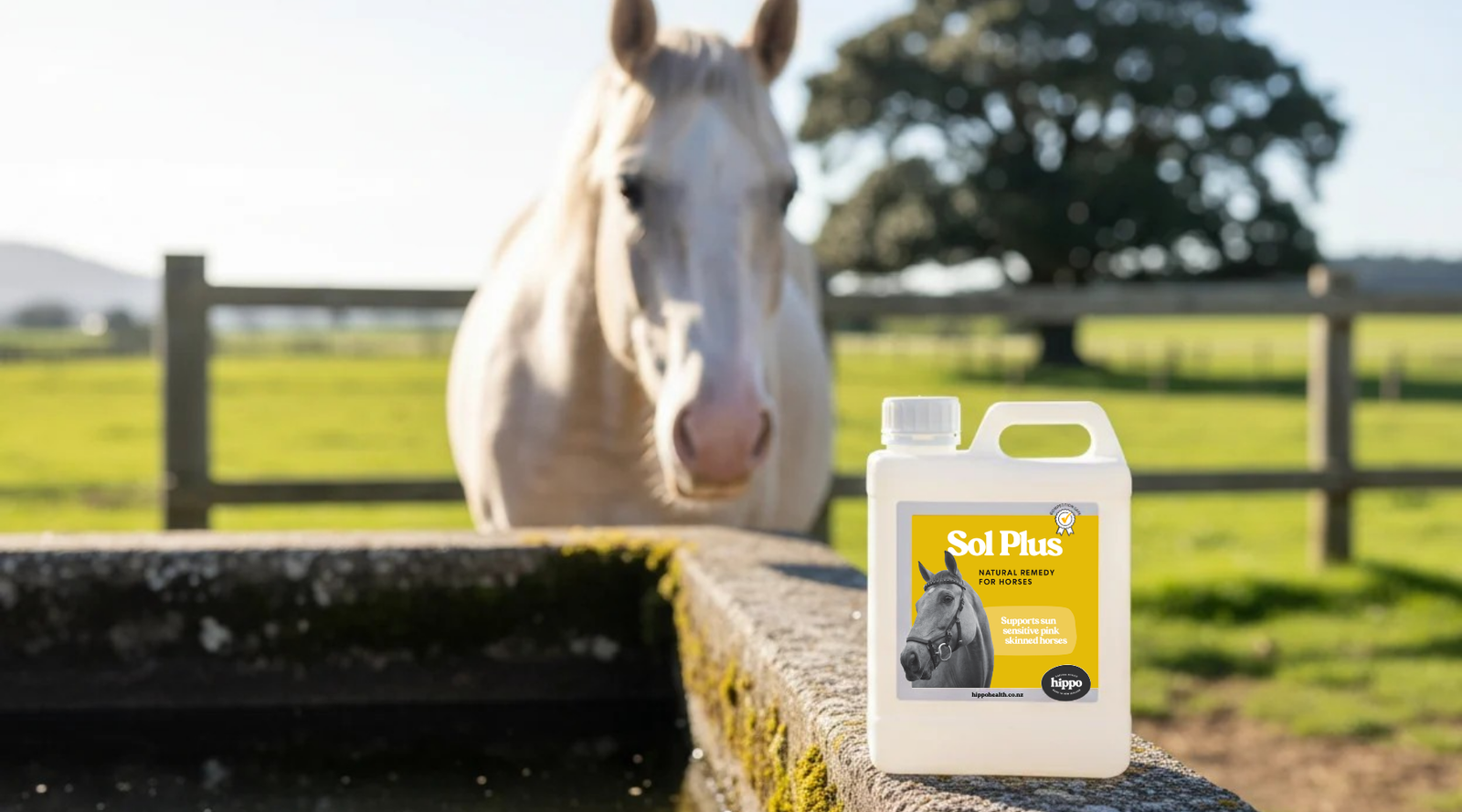
5. Add Sol Plus Equine to the water trough
Sol Plus Equine is an oral remedy that is professionally formulated to support horses that are prone to sunburn. Rather than being applied to the skin, it is administered orally and can form part of a wider sun-management routine alongside shade, masks, appropriate turnout and topical sun protection.
Sol Plus Equine is not an SPF-rated sunscreen or sunblock and does not physically block UV radiation. For horses that are predictably prone to sunburn, we recommend starting in spring and allowing around 7–10 days for the remedy to take effect before stronger summer UV arrives.
Dosing is only required every other day during summer, making it a practical option for horses managed through shared water troughs or larger groups.

Before and after photos from a customer using Sol Plus Equine as part of their horse’s sun-management routine. Individual results can vary.
Want to know more about how an oral remedy fits into sun management? Read our guide to using Sol Plus Equine for horses prone to sunburn.
Is horse sunscreen enough on its own?
Sometimes, but for a horse that burns easily, relying on sunscreen alone can make sun management harder than it needs to be.
A more practical approach is to think in layers:
- reduce exposure
- use a UV mask or nose cover where needed
- use topical protection where needed
- add oral support where appropriate
- monitor the skin regularly.
For example, one horse may cope perfectly well with access to shade and sunscreen on its nose. Another with extensive pink skin may need a UV mask, adjusted turnout and Sol Plus Equine as part of its ongoing summer routine.
What matters is finding the combination that works for the individual horse.

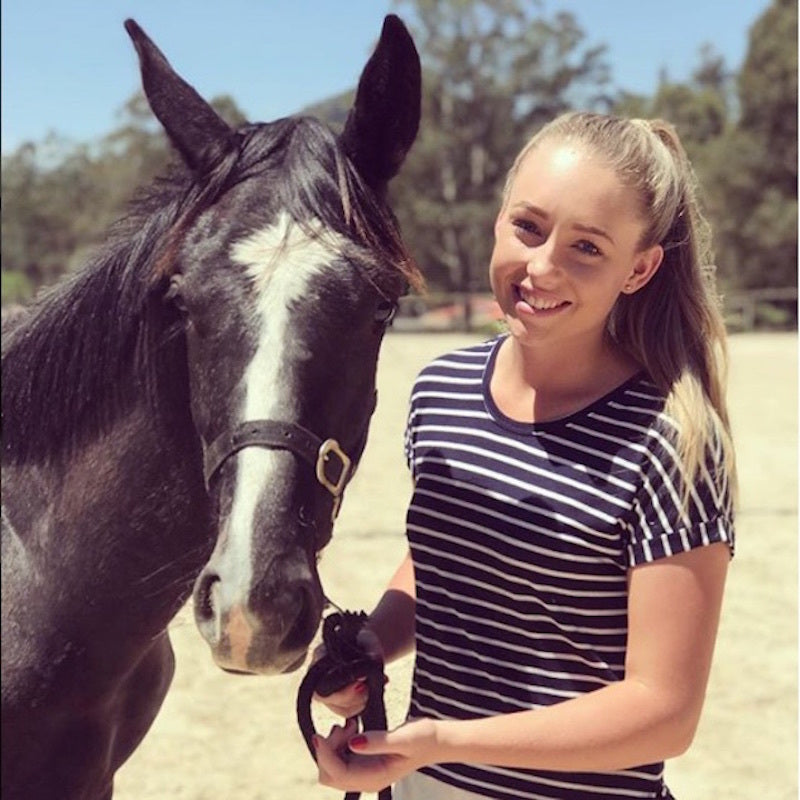
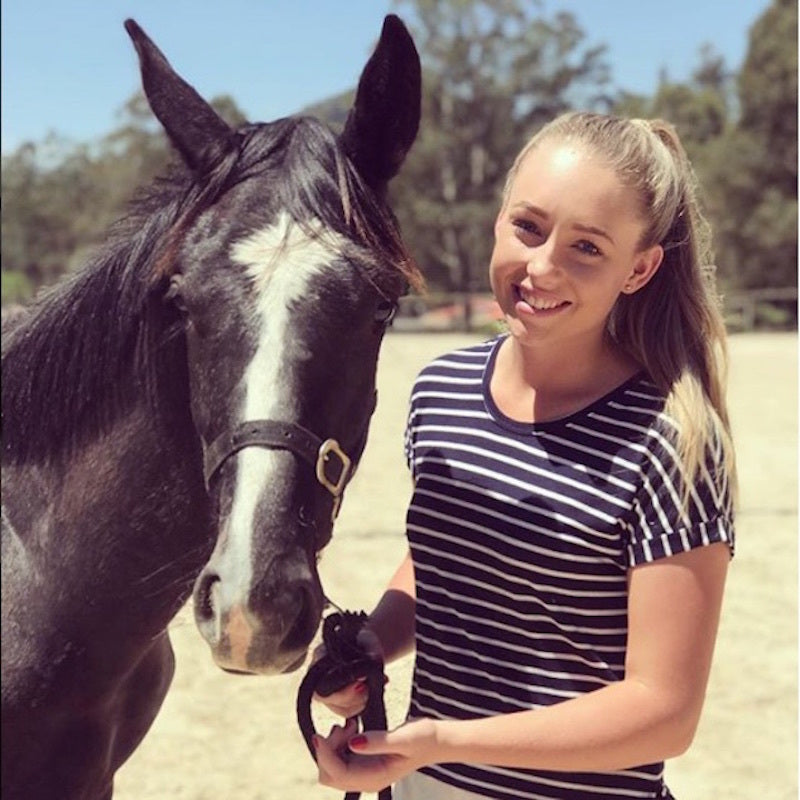
Customer Rachael O finds Sol Plus easy to use in the water trough or on feed and says it’s been a game changer for her cremello stallion Frankie.
When should you start managing your horse's sun exposure?
Don't wait for a badly burnt nose to remind you that summer has arrived. If your horse experiences the same problem each year, spring is a useful time to:
- check masks and nose covers still fit
- replace damaged protective gear
- assess paddock shade
- organise sunscreen
- check vulnerable areas regularly
- establish your summer turnout routine
· consider starting Sol Plus Equine, especially if your horse is prone to sunburn
What should I do if my horse is already sunburnt?
The first step is to reduce further exposure while the skin recovers. Move the horse into shade or shelter and keep a close eye on affected areas.
Avoid aggressively rubbing, picking or removing peeling or crusted skin, as this can expose tender tissue underneath. If the skin is badly damaged, open, weeping or showing signs of infection, speak to your vet about appropriate care.
Flies can also become an issue when skin is damaged, so suitable fly management may be needed while the area heals.
If your horse is already being dosed with Sol Plus, continue to follow the product dosing directions, but don't rely on oral support alone if there is active skin damage or significant sun exposure.
Could it be photosensitivity rather than sunburn?
Ordinary sunburn is caused by direct UV exposure. Photosensitivity is a different condition in which substances within the horse's body make the skin abnormally sensitive to sunlight.
The two can look very similar initially, particularly because both often affect pink or lightly pigmented skin, however photosensitivity can sometimes cause much more severe skin reactions.
Signs that your horse may have photosensitivity are:
- a reaction that appears unusually quickly
- significant swelling
- blistering or weeping skin
- severe discomfort in sunlight
- repeated episodes despite careful sun management
- unexplained skin damage in areas you wouldn't normally expect to burn
If you're unsure whether you're dealing with simple sunburn or a more significant photosensitive reaction, read more about the difference between photosensitivity and sunburn in horses, or talk to your vet.
Horse sunburn FAQs
What areas of a horse are most likely to get sunburnt?
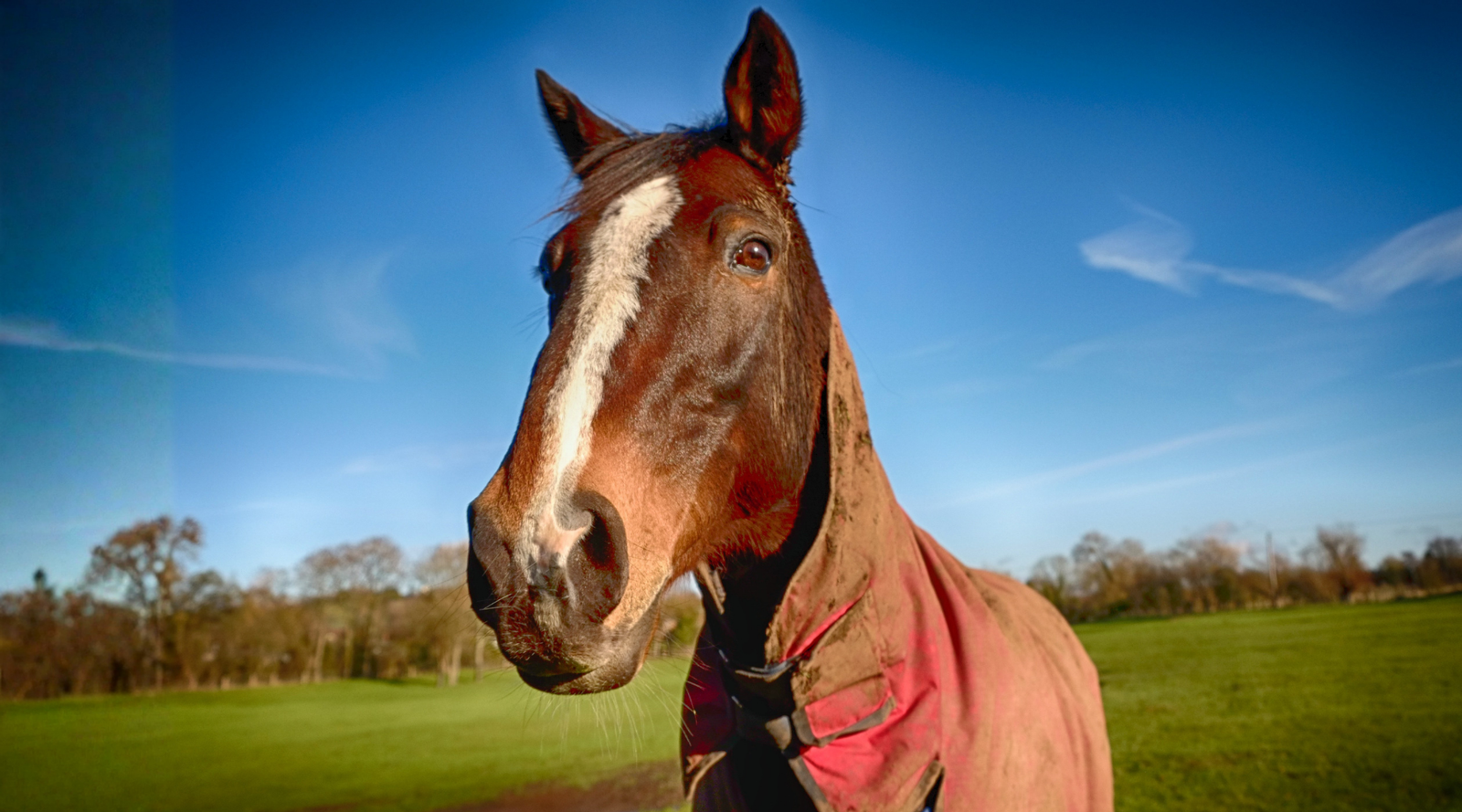
Pink, unpigmented and lightly haired skin is most vulnerable. Common problem areas include the nose, muzzle, lips, around the eyes and white facial markings.
What's the best sunscreen for a horse's nose?
Look for a sunblock or sunscreen suitable for horses and follow its directions carefully. Whichever product you choose, good coverage and regular reapplication are important because sunscreen on a horse's nose can easily be rubbed or washed off.
For horses that burn frequently, a UV mask, extended nose cover or a broader sun-management routine may be needed as well.
Can Sol Plus Equine be used instead of sunscreen?
Sol Plus Equine is formulated to support horses that are prone to sunburn. It is not an SPF-rated product or a physical UV barrier so should always be used alongside other management measures such as shade, masks and appropriate turnout.
When should I start Sol Plus Equine for my horse?
For horses prone to sun damage, spring is a good time to start. Allow around 7–10 days for Sol Plus to take effect before stronger summer UV arrives. It can also be introduced later in the season if required. For more detail on dosing, timing and trough use, see our guide to how to use Sol Plus Equine for sun management.
Can horses with white coats get sunburnt?
Yes, if the skin beneath the white hair lacks pigment. It is the pigmentation of the skin, rather than simply the colour of the hair, that is important when assessing susceptibility to sun damage.
Can a horse get sunburnt on a cloudy day?
Yes. UV exposure doesn't disappear simply because the weather feels cool or there is cloud cover. UV is not the same as heat, so a cool day can still have high UV. Check your local UV Index rather than judging risk by temperature alone.
Understanding UV exposure in New Zealand
Understanding UV exposure in Australia
Should I keep a sun-sensitive horse inside during the day?
Not necessarily. It depends on how susceptible the individual horse is, the shade available and the strength of UV exposure. For horses that burn badly, reducing turnout during periods of strongest UV and increasing overnight or early/late turnout may help.
Is photosensitivity the same as horse sunburn?
No. Sunburn results from direct UV exposure, while photosensitivity involves compounds within the body that cause an abnormal reaction when exposed to sunlight. Because the skin symptoms can look similar, severe, unusual or recurring reactions should be investigated.
Building a sun-management routine that works for your horse
Some horses require very little help through summer. Others seem capable of finding sunshine with their pink nose regardless of how much shade you've thoughtfully provided.
For horses that are prone to sunburn, the best approach is usually to plan ahead and combine the measures that work for that individual horse.
That may include:
- reliable shade
- appropriate turnout times
- UV masks or nose covers
- horse sunscreen
- regular skin checks
- oral support such as Sol Plus Equine
If your horse's reaction to sun exposure seems unusually severe or keeps returning despite careful management, don't assume it's simply sunburn. Investigating other causes, including photosensitivity, is an important next step.
Next reads

General Disclaimer: Always follow dosing instructions. Our remedies are formulated to support the natural immune system of horses, pets, livestock, and people. We do not claim to treat, medicate, or cure any health conditions. If you are worried an animal may be in pain or suffering, please contact your veterinarian.