Horse & Rider
Colic in Horses: Signs, Causes, What to Do and How to Reduce the Risk
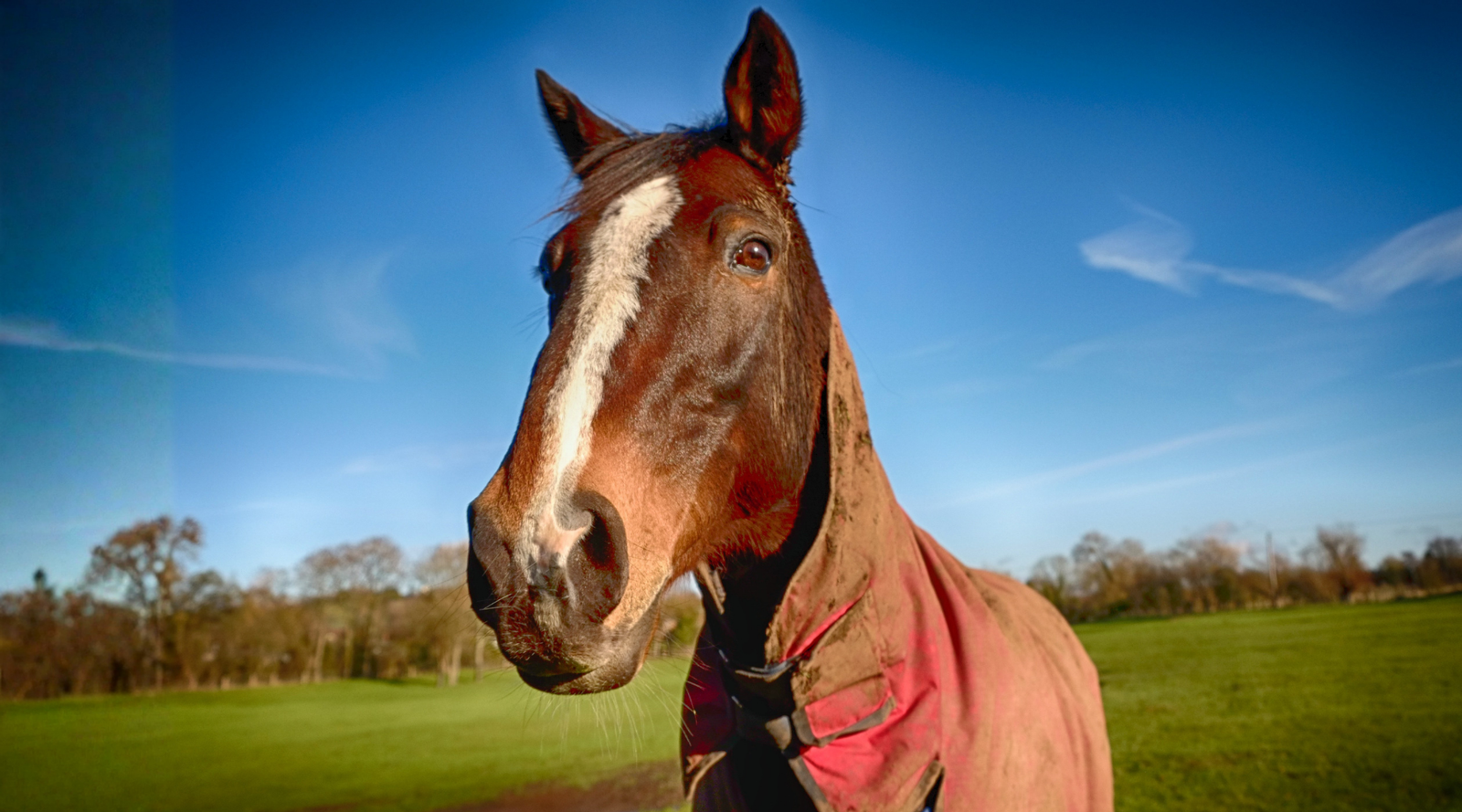

Colic in horses is a general term for abdominal pain. It can range from mild digestive discomfort to a serious intestinal problem requiring urgent veterinary treatment.
Because it can be difficult to tell how serious a case is from the outward signs alone, we strongly recommend contacting your veterinarian as soon as you suspect your horse has colic.
While you're waiting for the vet to arrive, our Colic Aid – Equine remedy may help to provide additional support for the discomfort of abdominal spasms associated with colic. It is designed to support your horse while veterinary help is on the way, not to replace veterinary diagnosis or treatment.
Key highlights
- Colic means abdominal pain and can have many different causes.
- Common signs include pawing, looking at their flank, rolling, sweating, loss of appetite and fewer droppings.
- Always contact your veterinarian promptly if you suspect colic.
- Sudden feed changes, reduced water intake, impaction, gas, sand and parasites can all contribute.
- Gradual feed changes, plenty of forage and fresh water, regular movement and good dental and parasite management can help reduce risk.
- Colic Aid – Equine can provide additional support while you wait for your vet.
What are the signs of colic in horses?
Signs can vary between horses. They may be obvious or quite subtle and can include:
- pawing at the ground
- looking or kicking at their flank
- repeatedly lying down or rolling
- stretching
- sweating
- reduced appetite
- fewer droppings
- appearing unusually quiet or restless
- abdominal bloating.
Knowing what is normal for your own horse can help you spot changes early.
Quick guide to symptoms of Colic in horses
|
What to watch |
Possible change |
|
Appetite |
Eating less or refusing feed |
|
Manure |
Fewer droppings or straining |
|
Behaviour |
Restlessness, quietness or repeated lying down |
|
Body language |
Looking at, biting or kicking their flank |
|
Physical signs |
Sweating, stretching or abdominal distension |
These signs indicate abdominal discomfort but do not tell you the underlying cause, which is why veterinary assessment is important.
What causes colic in horses?
There is no single cause of colic. Because colic simply means abdominal pain, it can result from a wide range of problems affecting the digestive system.
Some cases are linked to feed, hydration or management changes, while others are caused by gas, impaction, sand, parasites, inflammation or changes in the position of the intestine. In some horses, several factors may be involved, and occasionally the exact cause is never identified.
Some of the more common causes include:
Impaction
Impaction occurs when material becomes packed within the intestine and is unable to move normally.
Horses are natural grazers, so their digestive systems are adapted to frequent forage intake. Dry feed, reduced water intake, sudden feeding changes and other management factors can contribute to dry intestinal contents and impaction.
Gas
Gas can build up within the digestive tract and cause pain. Large amounts of highly fermentable feed, including grain or lush pasture, can contribute to increased gas production.
Intestinal displacement or twisting
Sections of intestine can move out of their normal position or twist, sometimes affecting blood supply. These cases can require emergency surgery.
Sand, parasites and inflammation
Sand ingestion, parasite burdens and inflammation of the gastrointestinal tract can also contribute to colic.
Sometimes, even after veterinary investigation, the exact cause is not identified.
Feed changes
Changes in feed and pasture can sometimes affect digestive health.
Horses are designed to consume fibrous forage frequently rather than rely on one or two large meals. Forage should form the foundation of the diet, while large concentrate feeds are generally better divided into smaller meals.
Significant changes in hay, hard feed or pasture should be introduced gradually wherever possible.
Spring grass as a cause of colic
Spring grass does not automatically cause colic, but it can represent a rapid dietary change. Lush pasture is highly fermentable, and a sudden increase in intake may contribute to digestive disturbance and gas.
The key is to manage the change gradually, giving your horse's digestive system time to adjust. Read more about the affects spring grass can have on horses.
Reducing the risk of colic
Not every case can be prevented, but good everyday management can help reduce some known risks.
- Make forage the foundation of the diet.
- Introduce feed and pasture changes gradually.
- Provide clean, fresh water at all times.
- Divide concentrate feeds into smaller meals.
- Encourage regular movement and turnout.
- Keep dental checks up to date.
- Follow an appropriate parasite-management programme.
- Avoid feeding directly from sandy ground where sand ingestion is a risk.
What should you do if you think your horse has colic?
Call your veterinarian.
Colic can become serious quickly, and it is not always possible to judge the severity from the symptoms alone.
Your vet may ask:
- when the symptoms started
- whether your horse has eaten or drunk
- when manure was last passed
- whether there have been recent feed or pasture changes
- whether your horse has had colic before
- what medications or remedies have already been given.
Follow your vet's advice about walking, feeding, water and any other measures while you wait.
Using Colic Aid while waiting for your vet
We’re strong advocates for veterinary care whenever a horse shows signs of colic or is in distress.
Our Colic Aid – Equine remedy is intended for a very specific purpose: to provide additional support for horses experiencing minor pain and abdominal spasms while waiting for the veterinarian to arrive. It is not intended to replace veterinary diagnosis or treatment.
Colic Aid – Equine:
- supports a normal immune response to the discomfort of abdominal spasms
- is given directly into the mouth (this remedy is not suitable for trough dosing)
- can be used alongside veterinary care and prescription medications
- is Competition & Racing safe (not swab-able)
- is suitable for pregnant and lactating mares
- has a two-year shelf life.
We recommend keeping a bottle in your shed or equine first aid kit so it is on hand if you need it.
Be prepared before colic happens
You can't eliminate the risk of colic completely, but you can reduce some risks and prepare for an emergency.
Keep feeding routines consistent, make dietary changes gradually, provide plenty of forage and clean water, and stay on top of dental and parasite care.
Most importantly, know what is normal for your horse and keep your veterinarian's contact details easy to find.
If you suspect colic, call your vet first. Colic Aid – Equine can then provide additional support for the discomfort of abdominal spasms while veterinary help is on the way.
Frequently asked questions about colic in horses
What are the first signs of colic?
Early signs can include loss of appetite, fewer droppings, pawing, looking at their flank, restlessness, repeated lying down or appearing unusually quiet.
Is colic an emergency?
Yes. Colic can have many causes, some of which can become serious quickly. Contact your veterinarian promptly if you suspect colic.
What causes impaction colic?
Impaction occurs when intestinal contents become packed together and create a blockage. Dry feed, reduced water intake, sand and other factors may contribute.
Can spring grass cause colic?
Spring grass does not automatically cause colic, but rapid changes in pasture and intake can contribute to digestive disturbance. Introduce significant pasture changes gradually where possible.
Can dehydration contribute to colic?
Yes. Reduced water intake can contribute to dry intestinal contents and impaction, so access to clean, fresh water is important.
What should I do if my horse shows signs of colic?
Contact your veterinarian promptly and follow their instructions while you wait.
What can I give my horse while waiting for the vet?
Follow your veterinarian's advice regarding medication. Colic Aid – Equine can provide additional support for minor pain and abdominal spasms while you wait for veterinary care.
Does Colic Aid replace veterinary treatment?
No. Colic Aid is designed to support your horse while waiting for the vet. It does not replace veterinary diagnosis or treatment.
Can Colic Aid be used alongside medication?
Yes. Colic Aid – Equine can be used alongside prescription medications and veterinary care.

General Disclaimer: Always follow dosing instructions. Our remedies are formulated to support the natural immune system of horses, pets, livestock, and people. We do not claim to treat, medicate, or cure any health conditions. If you are worried an animal may be in pain or suffering, please contact your veterinarian.