Horse & Rider


Hoof Care – 7 Common Conditions and How to Manage Them
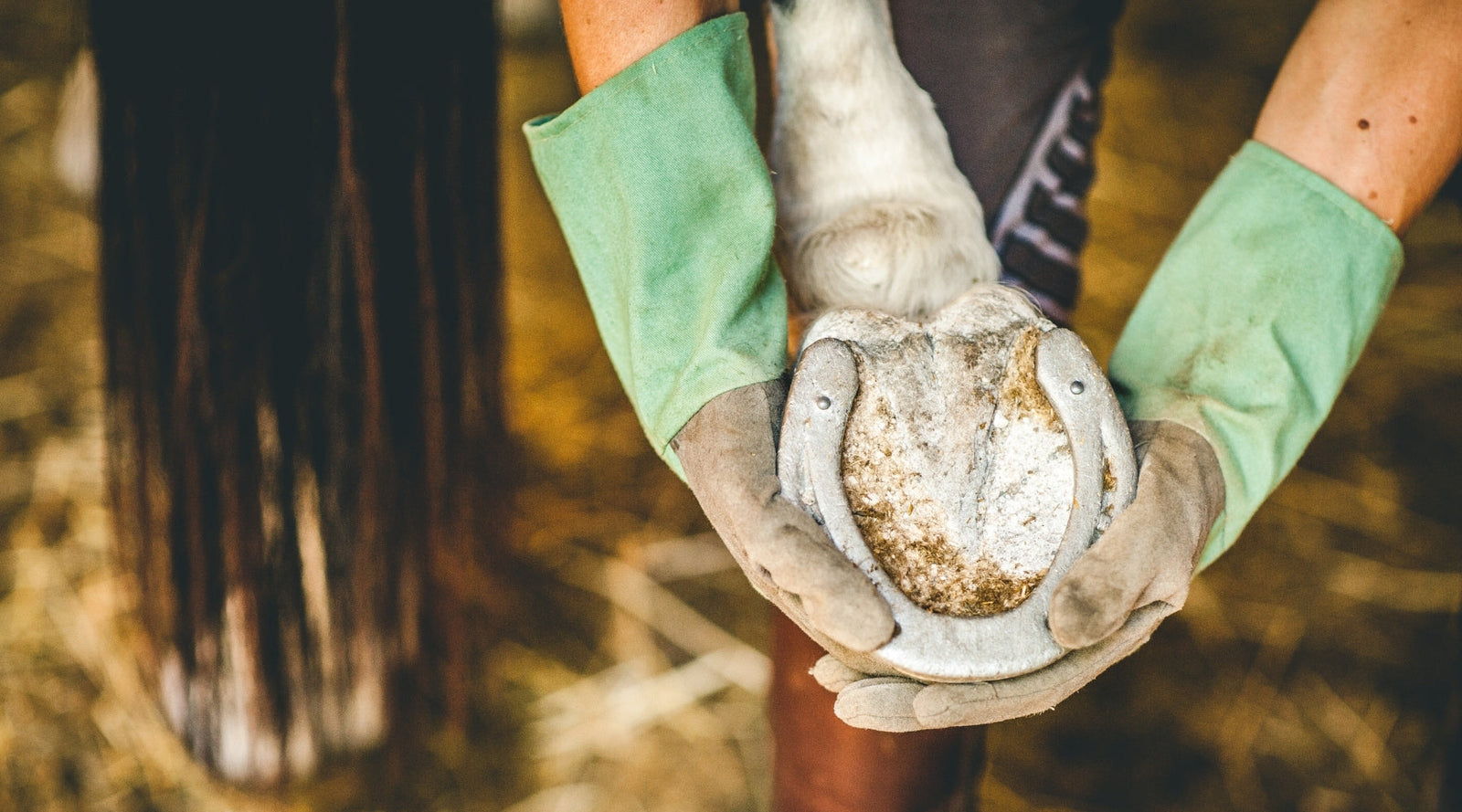

Hoof problems are one of the most common health issues horse owners face. Conditions such as cracks, seedy toe, abscesses, laminitis and thrush can range from minor irritations to serious problems that affect comfort and soundness. Understanding what causes these conditions and how to manage them is key to maintaining your horse’s strong, healthy hooves.
Key Highlights
Key facts about common hoof conditions in horses include:
- Persistent hoof cracks, chips, seedy toe or white line disease may be linked to poor mineral absorption in the digestive tract.
- Hoof abscesses often develop when bacteria enter through cracks or weaknesses in the hoof wall.
- Laminitis commonly occurs during Spring and Autumn when lush grass contains higher levels of soluble carbohydrates.
- Thrush is a bacterial infection that thrives in wet, muddy conditions and is often identified by a strong smell and dark discharge around the frog.
- Foot soreness can result from minor injuries, soft soles, or the aftereffects of laminitis, thrush or abscesses.
- Supporting digestive health can help horses absorb the minerals needed for strong hooves.
- Good hoof hygiene, pasture management and early intervention can help prevent recurring hoof problems.
How to tell the difference at a glance with our comparison table for hoof conditions
|
Hoof Condition |
Common Causes |
Typical Signs |
Remedy |
How the Remedy Helps |
|
Cracks, Chips, Seedy Toe & White Line Disease |
Weak hoof structure, mineral absorption issues, poor hoof integrity |
Cracks, chipping, weakened hoof wall, seedy toe or white line disease |
Healthy Hooves |
Supports digestive health and mineral absorption to help build stronger hooves |
|
Hoof Abscesses |
Bacteria entering through cracks or damaged hoof wall |
Sudden lameness, tenderness, abscess formation |
Abscess Plus |
Supports safe venting and drainage of abscesses and may help draw out foreign objects |
|
Laminitis (prevention) |
Lush grass, high carbohydrate intake, metabolic changes |
Sensitivity in the laminae, risk during Spring and Autumn |
LamiPrev |
Supports the immune system to help reduce risk during high-grass seasons |
|
Laminitis (symptoms present) |
Inflammation in the laminae of the hoof |
Pain, inflammation, reluctance to move |
LamATK |
Supports the body during minor pain and inflammation associated with laminitis |
|
Thrush |
Bacterial infection thriving in wet, muddy conditions |
Strong smell, dark ooze, pasty texture around frog |
Thrush Plus – Equine |
Supports immune response to help recovery from thrush infections |
|
Foot Soreness |
Minor injuries, soft soles, or lingering effects of other hoof issues |
Tenderness, ongoing lameness |
Foot Sore – Equine |
Supports horses experiencing minor hoof pain and discomfort |
|
Stress during recovery |
Injury recovery or separation from herd |
Anxiety, restlessness during rehabilitation |
Chilled Out Horse / Rehab Calm |
Supports emotional wellbeing during injury recovery |
Caring for a horse’s hooves means dealing with conditions ranging from mild cases of cracking and chipping, seedy toe or thrush through to severe conditions like hoof abscesses and laminitis that can cause more permanent damage.
Prevention is always better than cure, so having a great farrier and an even better hoof pick is just as important as managing diet and underfoot conditions. We think supporting a horse’s immune system is also important, which is why we make a range of oral remedies that can help with preventing and managing the most common hoof ailments.
Managing Cracks, Chips, Seedy Toe & White Line Disease
Most hoof cracks are superficial, however, some can worsen leading to more serious issues. If your horse has cracks that just won’t go away, no matter how many expensive supplements you give them, it could be to do with absorption issues in the gut.
Our oral Healthy Hooves remedy supports a healthy digestive tract that can more readily absorb the minerals from their normal diet and make them available to build strong hooves. This remedy is also effective for ailments such as seedy toe and white line disease. With improved mineral assimilation it’s not only hooves that benefit but hair quality and teeth as well.
Preventing and Managing Hoof Abscesses
Hoof abscesses can be a nightmare! Your horse has finally healed from an abscess, only to be tender from another one brewing despite a skilled farrier and a ton of quality supplements.
According to qualified homeopath and Hippo Health founder Fiona Lane, managing hoof abscesses effectively requires addressing both the immediate infection and the underlying hoof health.
“At Hippo Health we approach abscesses from two angles; improving the quality of the hoof wall and sole to lessen the chance of cracks that let bacteria in, as well as our safe and time-tested remedy to support venting and drainage of an abscess”, explains Fiona.
Our Abscess Plus remedy can be given orally at any stage of abscess formation to support safe venting and drainage. If the abscess has been caused by a foreign object buried deep inside tissue, dosing with Abscess Plus twice daily for two to three weeks will often draw out the offending object.
Preventing and Managing Laminitis

Laminitis is an inflammatory condition that often appears during Spring and Autumn when the grass is lush and green. Rain increases the level of soluble carbohydrate in grass and clover and when ingested, can cause metabolic changes to the blood that flows to the laminae of the foot. Once a horse has had laminitis, they are prone to the condition recurring, which is why prevention of this painful condition is important.
Managing feed and diet and restricting access to lush green pastures are both ways to keep laminitis at bay. Our LamiPrev oral remedy can also help by building up the immune system, giving a horse a head start against laminitis. Dosing starts two weeks before new grass growth is expected and continues through until grass has died back. While this might sound expensive, it isn’t! Our 90ml pump bottle retails for under $60 (depending on which currency you're shopping in) and contains around 115 days of coverage.
If your horse is already experiencing symptoms, our LamATK remedy can provide support for the minor pain and inflammation of laminitis. It’s professionally formulated and safe to use alongside any treatment or medication prescribed by your vet.
Special offer: save $40 when you buy our Laminitis Kit.
Managing Thrush
This common but nasty bacterial infection usually starts in the frog clefts and can be very unpleasant to deal with. Often the first sign of Thrush is a strong smell and a dark ooze coming from the hoof area, followed by a pasty, cheesy texture around the frog. It can be hard to tackle, especially during winter when horses can’t avoid wet and muddy conditions. Our Thrush Plus – Equine remedy works from the inside out to assist recovery by supporting the immune system. Once symptoms are gone, continued dosing once a week can help nip any future flare ups of thrush in the bud before they take hold.

One customer who used Thrush Plus Equine told us, “In just three weeks, there has been a noticeable change in severity of thrush in my horses this winter. My hoof trimmer commented on this also. I am adding it to the water which makes it easy to use”. Linda M and her horses, Jack & Pepsi.
Helping a Foot Sore Horse
There are lots of reasons for a horse to be foot sore. A minor injury, soft soles or the aftereffects of conditions laminitis, thrush or an abscess can all cause ongoing lameness. Our Foot Sore – Equine remedy is a great all-round remedy for supporting horses with minor hoof pain and discomfort. This oral remedy can be added to the water trough making dosing long term quick, easy and cost effective. The active ingredients in our remedies only need to need to make contact with a mucous membrane such as a tongue for a dose to be delivered, so water trough dosing only needs to happen every second day.
Providing Emotional Support
Sometimes, more serious hoof conditions can lead to a horse needing to be kept inside and separated from their herd, causing anxiety and emotional stress. Thankfully we also make a range of calming remedies for just these occasions! Our best-selling Chilled Out Horse is a great everyday calmative, while Rehab Calm specifically targets the mental and emotional challenges of injury and rehabilitation.
Like all our remedies, these are given orally by pumping the sweet tasting liquid straight into the mouth, adding it to feed or a treat. For horses that are particularly stressed, pop two pumps of remedy onto your finger, then dab it onto the tongue, gums or lips and that’s it – job done!
You can find out more about our calming range of remedies for horses in our blog post: Calm the Farm – natural calming remedies for horses
Final Thoughts
Healthy hooves rely on a combination of good farriery, sensible pasture management and early support when problems arise. While conditions such as cracks, abscesses, laminitis and thrush may share some overlapping symptoms, understanding their underlying causes is key to managing them effectively.
Taking a proactive approach to hoof care - including supporting digestive health, strengthening hoof structure and maintaining immune resilience - can help reduce the risk of recurring issues and keep horses comfortable, sound and performing at their best.

General Disclaimer: Always follow dosing instructions. Our remedies are formulated to support the natural immune system of horses, pets, livestock, and people. We do not claim to treat, medicate, or cure any health conditions. If you are worried an animal may be in pain or suffering, please contact your veterinarian.