Horse & Rider
Equine Ringworm (Girth Itch): symptoms, causes and natural management techniques


Equine ringworm - sometimes referred to as girth itch and commonly linked to Trichophyton fungi - is a contagious skin infection that spreads easily through shared gear and environments. Getting on top of it early usually comes down to a mix of good hygiene, sensible management and supporting the horse’s own ability to recover.
Key highlights: Equine ringworm
Key facts about ringworm in horses include:
- Ringworm is a fungal infection (often linked to Trichophyton species), not a parasite or a worm
- It is contagious and spreads through direct contact, shared gear and contaminated environments
- Often referred to as girth itch when it appears under tack
- Common signs include circular hair loss, crusty patches and broken hairs
- Younger horses and those under stress tend to be more susceptible
- Spores can survive in the environment for months
- Managing both the horse and its surroundings is key to stopping it coming back
What is equine ringworm?
Most horse owners will come across ringworm – also known as girth itch - at some point, especially with younger horses or in busy yards. Despite the name, it’s not a worm at all. It’s a fungal infection that affects the outer layers of the skin and hair. You’ll often hear it called girth itch when it shows up under tack, but it’s the same underlying issue.
It spreads pretty easily through direct contact, shared gear, even the environment, and because it can also pass to humans, it’s one of those things worth dealing with sooner rather than later.

What Does Ringworm Look Like in Horses?
It doesn’t always present the same way, but there are some typical signs:
- Small circular patches where the hair has lifted or fallen out
- Greyish, crusty or scaly skin underneath
- Broken, stubbly hair around the edges
- Patches that slowly expand over time
It often shows up where gear sits - around the saddle area, girth line, neck or shoulders - which is why it can sometimes be mistaken for rubbing or irritation early on.
Why ringworm gets confused with other conditions
One of the tricky things with ringworm is that it doesn’t always look that dramatic to start with. A small patch under the saddle or along the girth line can easily be written off as rubbing.
That’s why it often gets mistaken for other skin issues early on. The table below shows a comparison of symptoms of equine ringworm and other similar looking skin conditions.
Symptom comparison table
|
Condition |
Ringworm / Girth Itch |
Rain Scald |
Rubbing / Tack Irritation |
|
Cause |
Fungal (Trichophyton) |
Bacterial |
Mechanical friction |
|
Appearance |
Circular patches, hair loss, crusty edges |
Scabs with matted hair |
Hair loss without clear edges |
|
Spread |
Highly contagious |
Not typically contagious |
Not contagious |
|
Common areas |
Girth, saddle, neck, face |
Back, rump |
Girth, shoulders |
|
What gives it away |
Expanding circular patches |
Scabs lift off with hair |
Linked to gear or pressure |
Why ringworm spreads so easily
Once it’s in the environment, it doesn’t take much for it to move around. Brushes, rugs, tack, fence rails can all carry spores, and in a shared yard, that’s usually how it gets from one horse to another.
The other part of the problem is that spores can hang around for quite a while. So even when the skin looks like it’s improving, the source might still be sitting there in the background.
Looking beyond the fungus
A lot of advice around ringworm focuses on getting rid of the fungus. That makes sense, but it doesn’t always explain why some horses get it and others don’t.
In practice, horses that are most likely to develop ringworm are:
- young
- run down
- travelling
- or under a bit of stress
An “immune-first” way of looking at ringworm
Skin health is closely tied to overall immune function. When everything is in good balance, the skin tends to cope better with challenges like this. So rather than only focusing on the surface, it can help to also support what’s going on internally.
A step-by-step guide to managing ringworm in horses
There’s no single fix, so it’s more about doing a few things consistently.
Phase 1: Isolation & Hygiene
A few simple steps can make all the difference:
- Avoid sharing brushes, rugs or tack
- Keep affected horses separate if you can
- Wash hands and gear after handling
Phase 2: Supporting the Horse
Supporting a horse’s immune system is a key step in managing ringworm. Our Ringworm Plus – Equine remedy is designed to support the body’s natural response to fungal skin conditions. Because it’s given orally, you don’t have to keep handling already sensitive areas, which makes things easier, especially if you have a reactive horse.

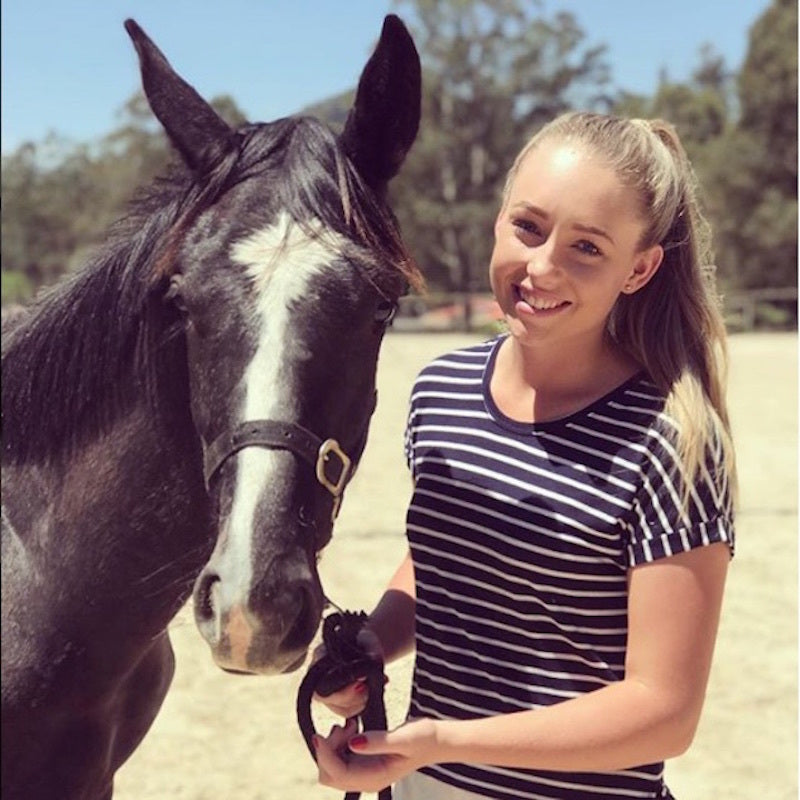
Selena W used our Ringworm Plus on her horse Daisy, and she told us “Wow what a difference, this is Daisy our 4-year-old brumby mare. She has had 3 weekly doses of Ringworm Plus and weekend treatments on Conditioning Tonic. Such an improvement.”
Phase 3: Environmental Clean-Up
This is often the part that gets overlooked.
- Wash rugs regularly
- Clean brushes and tack
- Give gear time to dry properly
- Clean down stable surfaces where possible
It doesn’t need to be over the top - just consistent enough to break the cycle.
Natural support options at a glance
|
Support Area |
Approach |
Why It Matters |
|
Skin & immune support |
Ringworm Plus – Equine |
Supports the horse’s natural response to fungal skin conditions |
|
Hygiene |
Limiting shared gear |
Helps reduce spread |
|
Environment |
Cleaning rugs, tack and surfaces |
Reduces reinfection risk |
|
Ongoing support |
Consistent dosing |
Helps keep things on track |
So How Do Oral Remedies Work?
Our remedies are given orally and work by supporting the body’s natural immune response, rather than targeting symptoms directly. The active ingredients only need to make contact with a mucous membrane - such as the tongue, gums or lips - for a dose to be delivered.
That means they can be given straight into the mouth, added to feed, or even into the water trough - which is particularly useful when you’re needing to dose more than one horse.
Equine ringworm FAQs
Can humans catch ringworm from horses?
Yes. Ringworm can pass between animals and people, so it’s worth taking basic hygiene precautions.
How long does it take to clear?
It varies. Some cases settle fairly quickly, others take longer depending on the environment and how well spread is controlled.
Do I need to isolate my horse?
If you can, it helps - especially in shared yards.
Why does it keep coming back?
Usually because spores are still present in the environment, or the underlying issue hasn’t fully settled.
Final Thoughts
Ringworm is one of those conditions that tends to pop up when conditions are right, such as when horses are young, sharing environments, or under a bit of stress. While it often resolves, it can hang around longer than expected if you don’t tackle both the horse and the environment.
A steady, practical approach usually gets the best results. Support the horse, keep things clean, and give it a bit of time.
And while this article focuses on horses, ringworm isn’t limited to one species, which is why we’ve developed remedies across our range to support pets, livestock and pigs too.

General Disclaimer: Always follow dosing instructions. Our remedies are formulated to support the natural immune system of horses, pets, livestock, and people. We do not claim to treat, medicate, or cure any health conditions. If you are worried an animal may be in pain or suffering, please contact your veterinarian.